
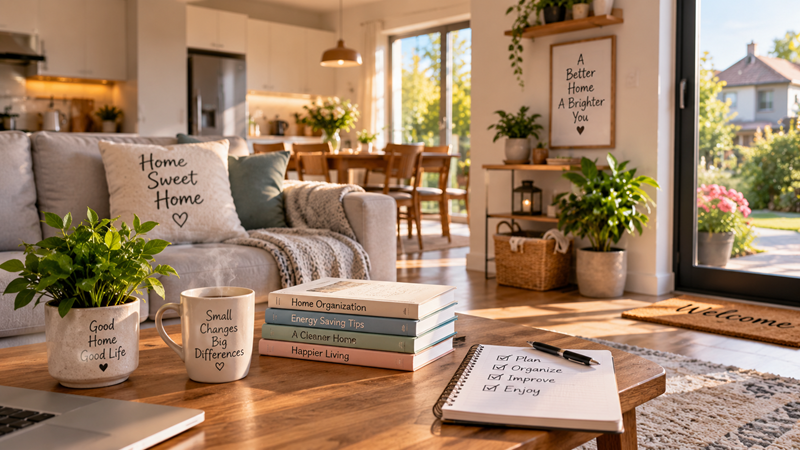
A comfortable home is not always about having expensive furniture, the latest appliances, or a large living space. In many cases, small improvements can make a major difference in how efficiently and comfortably you use your home. Simple habits, clever organization ideas, and practical maintenance techniques can help reduce stress, save money, and create a more enjoyable living environment.
This is where life hacks homerocketrealty ideas can be useful. These practical tips focus on everyday problems that homeowners, renters, and families commonly face. From organizing small spaces and reducing energy consumption to keeping rooms cleaner and protecting household items, simple solutions can often save both time and effort.
Whether you have recently moved into a new property or have lived in the same home for years, there are always ways to improve your daily routine. The key is to focus on solutions that are realistic, affordable, and easy to maintain.
Why Simple Home Life Hacks Matter
Modern life can become busy very quickly. Cleaning, cooking, organizing, maintenance, shopping, and managing household expenses can take a significant amount of time. A few smart changes to your routine can make these responsibilities much easier.
The biggest advantage of useful home hacks is that they do not necessarily require expensive products. Sometimes, rearranging furniture, changing a habit, or using an existing household item in a different way can solve a problem.
Good home hacks can help you:
- Save time on everyday tasks
- Keep your home more organized
- Reduce unnecessary expenses
- Make better use of limited space
- Improve household cleanliness
- Protect furniture and appliances
- Reduce energy consumption
- Create a more comfortable living environment
- Make moving and settling into a property easier
Declutter Before You Organize
One of the most effective home improvement techniques is also one of the simplest: remove things you no longer need before trying to organize everything.
Many people purchase storage boxes and shelves when the real problem is having too many unnecessary items. Before buying additional storage, walk through each room and identify things that are broken, unused, duplicated, or no longer relevant.
Create separate categories such as:
- Keep
- Donate
- Sell
- Recycle
- Dispose
Once unnecessary belongings are removed, organizing the remaining items becomes much easier.
A useful rule is to avoid keeping something simply because you might use it someday. If an item has not been used for a long period and has no practical or sentimental value, it may be taking up valuable space.
Use Vertical Space in Small Rooms
Small homes and apartments can feel much larger when vertical space is used effectively.
Instead of placing everything on the floor, consider using:
- Wall-mounted shelves
- Tall bookcases
- Hanging organizers
- Over-door storage
- Vertical kitchen racks
- Floating shelves
Using wall space can free up floors and countertops while making frequently used items easier to access.
For example, a narrow kitchen can benefit from vertical racks for spices, cooking tools, and small containers. Similarly, a bedroom can use wall-mounted shelves instead of large cabinets.
Create a Dedicated Place for Everyday Items
Keys, wallets, bags, shoes, chargers, and other frequently used items often become sources of unnecessary clutter.
A simple solution is to create a dedicated location for each category of item.
For example, place a small basket near the entrance for keys and wallets. Install hooks for bags and jackets. Keep chargers in one organized drawer instead of allowing cables to spread across different rooms.
This small change can save several minutes every day because you know exactly where to look for important items.
Make Your Home More Energy Efficient
Reducing energy consumption can benefit both the environment and your household budget.
Start with simple changes rather than immediately replacing every appliance.
Turn off lights when leaving a room, unplug devices that are not being used, and use energy-efficient bulbs where appropriate. During the day, make use of natural sunlight instead of relying entirely on artificial lighting.
You can also reduce unnecessary heating or cooling by checking whether doors and windows are properly sealed.
Curtains and blinds can also play a useful role. During hot weather, keeping direct sunlight out during the hottest part of the day may help maintain a more comfortable indoor temperature.
Keep a Basic Home Maintenance Checklist
Small maintenance problems can become expensive repairs when they are ignored.
A simple monthly or seasonal checklist can help identify issues before they become serious.
Check areas such as:
- Leaking faucets
- Dripping pipes
- Damaged window seals
- Loose electrical outlets
- Blocked drains
- Roof or ceiling stains
- Cracks around doors and windows
- Appliance filters
- Smoke and carbon monoxide detectors where applicable
You do not need to repair every issue yourself. The purpose of a checklist is to notice problems early and decide when professional assistance is required.
Make Cleaning Easier With a Routine
Cleaning becomes much easier when it is divided into small tasks instead of being treated as one large weekend project.
Try assigning different tasks to different days. For example, you might clean bathrooms on one day, dust furniture on another, and organize bedrooms later in the week.
A short daily reset can also make a significant difference. Spend a few minutes returning items to their proper places before going to bed.
This prevents clutter from accumulating and makes deeper cleaning less stressful.
Use the “One In, One Out” Rule
If your home constantly becomes crowded, try the one-in, one-out rule.
Whenever you purchase a new item, consider removing an older item that serves the same purpose.
For example, if you buy a new jacket, donate or sell one you no longer wear. If you purchase new kitchen equipment, consider whether an old item can be removed.
This simple approach prevents possessions from increasing indefinitely.
Organize Your Kitchen for Faster Cooking
The kitchen is one of the busiest areas of most homes, so its organization can directly affect your daily routine.
Store your most-used cooking tools where they are easy to access. Store similar items together, such as baking equipment, spices, plates, and cooking utensils.
A useful approach is to organize the kitchen according to frequency of use:
Daily-use items: Keep them easily accessible.
Weekly-use items: Store them nearby but outside the main workspace.
Rarely used items: Place them in higher or less accessible storage areas.
This system can reduce unnecessary movement while cooking and make the kitchen easier to maintain.
Label Storage Containers
Labels are particularly useful for kitchens, garages, offices, and storage rooms.
Instead of opening several boxes to find one item, clearly label containers according to their contents.
For example:
- Winter clothing
- Documents
- Cables
- Cleaning supplies
- Tools
- Holiday decorations
- Spare household items
Transparent containers can also make it easier to identify contents without opening them.
Keep Important Documents Organized
Important household documents should have a dedicated storage system.
Depending on your circumstances, these may include property documents, rental agreements, warranties, receipts, insurance information, appliance manuals, and other records.
Keep physical documents in a secure folder or filing system. Digital copies can also be useful as backups, provided they are stored securely.
Organizing these records can save considerable time when you need to find a document quickly.
Improve Your Entryway
The entrance of a home is often overlooked, but it influences how organized the entire property feels.
A simple entryway system can include:
- A shoe rack
- Wall hooks
- A small storage basket
- A mirror
- A tray for keys
- A place for umbrellas or frequently used accessories
The goal is to prevent outdoor items from being carried unnecessarily throughout the home.
A well-organized entrance can also make leaving the house faster because everyday essentials are stored in one location.
Make Small Rooms Feel Bigger
You do not always need to renovate a small room to make it feel more spacious.
A few design choices can create the impression of additional space.
Use furniture that fits the room rather than oversized pieces. Keep walkways clear and avoid placing too many decorative objects on surfaces.
Mirrors can also help reflect light and visually expand a room. Light-colored walls and natural lighting can contribute to a more open feeling as well.
The most important principle is to maintain clear visual and physical pathways.
Protect Your Furniture From Everyday Damage
Furniture can last significantly longer when small preventative measures are taken.
Use coasters under drinks, avoid placing hot objects directly on surfaces, and clean spills quickly. Felt pads under furniture legs can help protect floors from scratches when chairs and tables are moved.
For sofas and upholstered furniture, follow the manufacturer’s cleaning instructions instead of using random cleaning chemicals.
Prevention is usually easier and less expensive than repairing permanent damage.
Reduce Bathroom Clutter
Bathrooms often have limited storage space, which can quickly lead to clutter.
Use wall-mounted organizers, drawer dividers, or small baskets to separate personal-care products.
Keep only regularly used items in the main area. Less frequently used products can be stored elsewhere.
It is also helpful to periodically check expiration dates on personal-care products and remove items that are no longer suitable for use.
Make Laundry More Efficient
Laundry can consume considerable time if it is not organized.
Separate clothes according to washing requirements and avoid overloading the washing machine. Clean the machine according to its manufacturer’s instructions and check filters where applicable.
A dedicated laundry basket can also prevent clothes from accumulating on bedroom floors.
Folding or hanging clothes soon after drying can reduce wrinkles and make wardrobes easier to organize.
Create a Small Emergency Home Kit
Every household should have basic supplies available for unexpected situations.
Depending on your needs, a household emergency kit may include:
- Flashlights
- Extra batteries
- Basic first-aid supplies
- Bottled water
- Important contact information
- Basic tools
- Portable phone charging equipment
- Necessary household supplies
The exact contents should reflect your family’s circumstances and local risks.
Store the kit somewhere accessible and make sure everyone in the household knows where it is.
Save Money by Comparing Before Replacing
When an appliance or household item stops working, replacement is not always the first answer.
First determine whether the issue is minor and whether repair is practical. Check the warranty, manufacturer’s support information, and estimated repair costs.
However, avoid attempting electrical, gas, structural, or other potentially dangerous repairs without appropriate expertise.
Sometimes replacing an inefficient appliance may make more financial sense over time, especially if it consumes significantly more energy than newer alternatives.
Prepare Your Home Before Moving
Moving into a new property is much easier when preparation happens before boxes arrive.
Before moving furniture inside, consider cleaning the rooms, checking basic utilities, measuring doorways, and deciding where major furniture pieces will go.
Take photographs of the property’s condition when moving into a rental home and keep relevant documentation safely.
This preparation can prevent unnecessary rearranging and reduce stress during the first few days.
Think About Long-Term Home Value
A home is not only a place to live; for many people, it is also a significant financial investment.
Small improvements can contribute to the property’s overall appeal and functionality.
Regular maintenance, clean outdoor areas, functional fixtures, attractive presentation, and well-maintained interiors can all influence how a property is perceived.
When making improvements, focus on practical upgrades that improve everyday use rather than spending heavily on trends that may quickly become outdated.
Use Technology Wisely at Home
Smart technology can simplify certain household tasks, but it should be introduced thoughtfully.
Smart lighting, programmable thermostats, security devices, energy monitors, and other connected products can provide convenience depending on your needs.
However, security and privacy should always be considered before connecting devices to your home network.
Use strong passwords, update device software, and avoid purchasing connected products solely because they are trendy.
Build Habits Instead of Depending Only on Products
One of the most important lessons behind effective life hacks homerocketrealty ideas is that good habits are often more valuable than expensive products.
Buying another storage box will not solve clutter if items are continually left in random places. Similarly, purchasing advanced cleaning equipment will not replace a consistent cleaning routine.
Try to create systems that are easy enough to follow every day.
For example:
Morning: Make the bed and return frequently used items to their places.
During the day: Clean small messes immediately rather than allowing them to accumulate.
Evening: Spend five to ten minutes resetting the main living areas.
These habits can gradually create a cleaner and more organized home without requiring large amounts of effort.
Make Your Outdoor Area More Useful
Even a small balcony, patio, garden, or outdoor space can become an enjoyable part of your home.
Keep the area clean and remove unnecessary objects. Add suitable seating if space allows, and consider plants that are appropriate for your local climate and available sunlight.
For larger properties, maintaining pathways, drainage, landscaping, and exterior surfaces can also improve both usability and appearance.
Outdoor spaces should be designed according to how you actually intend to use them rather than simply following trends.
Plan Household Expenses
Home expenses can become difficult to manage when small purchases are made without tracking them.
Create categories for regular costs such as:
- Utilities
- Maintenance
- Cleaning supplies
- Repairs
- Household groceries
- Furniture
- Appliances
Set aside an amount for unexpected repairs when possible.
A simple household budget can make it easier to distinguish between necessary expenses and optional purchases.
Choose Practical Improvements Over Expensive Trends
Home improvement does not have to mean a complete renovation.
Sometimes the best improvements are relatively simple:
- Better lighting
- Additional storage
- Fresh paint
- Improved organization
- Updated hardware
- Regular maintenance
- Better use of natural light
Before starting an expensive project, ask whether the improvement solves a genuine problem.
A practical upgrade that improves everyday life is often more valuable than an expensive change that only looks impressive.
Build a Home That Works for Your Lifestyle
Every household has different needs. A home designed for a large family may not work for someone living alone, while a minimalist apartment may not be suitable for someone who works from home.
Think about how each room is actually used.
you work from home, prioritize a comfortable workspace. If you frequently cook, give more attention to kitchen organization. If you have children, consider accessible and safe storage solutions.
The best home organization system is the one that fits the people who actually live there.
Final Thoughts
Creating a better home does not always require a large budget or major renovation. Small, consistent improvements can make everyday life more comfortable, organized, and efficient.
From decluttering and using vertical storage to improving energy efficiency and maintaining important household systems, there are countless practical ways to make better use of your property. The most effective solutions are usually those that are simple enough to become part of your normal routine.
The ideas discussed in this life hacks homerocketrealty guide are designed around practical home living rather than complicated projects. Start with one or two changes that address your biggest household challenges, then gradually build better habits.
A well-managed home is not necessarily the biggest or most expensive one. It is a home where space is used intelligently, maintenance is handled before problems become serious, belongings have a purpose, and daily routines work smoothly.
By focusing on practical improvements instead of unnecessary complexity, you can create a home that feels cleaner, more comfortable, and easier to manage every day.