
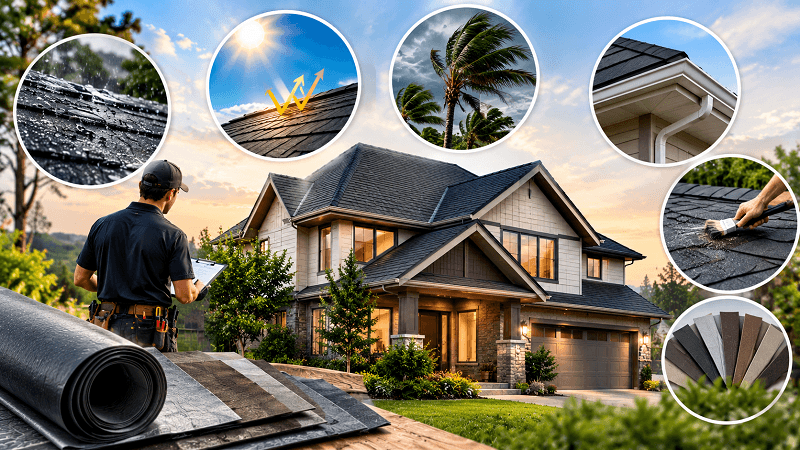
Selecting the right roofing material is an important choice for every homeowner. A roof does more than simply protect a house from rain and sunlight; it also contributes to energy efficiency, appearance, durability, and long-term property value. Among the different roofing solutions available today, vinyl roofing has become an interesting option for homeowners looking for a practical and modern alternative.
The term vinyl roofing homerocketrealty is becoming increasingly relevant for people researching roofing solutions and home improvement ideas. Understanding how vinyl roofing works, where it performs best, and what factors should be considered before installation can help homeowners make a more informed decision.
What Is Vinyl Roofing?
Vinyl roofing generally refers to roofing systems that use durable vinyl-based materials designed to provide protection against weather conditions. These materials are engineered to be flexible, lightweight, and resistant to moisture.
Unlike some traditional roofing materials that can require extensive maintenance, vinyl-based roofing systems are designed with convenience in mind. Their resistance to moisture makes them particularly useful in areas where rain and humidity can create problems for conventional roofing materials.
Why Are Homeowners Considering Vinyl Roofing?
Modern homeowners often want roofing that combines appearance, performance, and reasonable maintenance requirements. Vinyl roofing can provide several advantages that make it worth considering.
1. Resistance to Moisture
One of the major benefits of vinyl roofing is its resistance to water. A properly installed roofing system can help prevent moisture from penetrating the roof structure.
Good moisture protection is especially important because prolonged water exposure can contribute to leaks, mold, and structural damage.
2. Low Maintenance Requirements
Roof maintenance can become expensive and time-consuming when a material requires frequent repairs. Vinyl roofing is generally valued for its relatively simple maintenance needs.
Regular inspections, cleaning, and prompt attention to minor problems can help maintain the roof’s condition for a longer period.
3. Lightweight Construction
Another potential advantage is that vinyl materials can be relatively lightweight compared with some traditional roofing options. A lighter roofing system may place less additional load on the structure of a building.
However, the suitability of any roofing system should always be evaluated according to the property’s existing construction.
Vinyl Roofing and Home Design
The roof plays an important role in shaping the overall look of a property. Homeowners increasingly look for materials that provide practical protection without compromising the visual character of their homes.
Vinyl roofing can complement modern architectural designs and may be available in different colors, textures, and finishes. This gives homeowners more flexibility when trying to match the roof with siding, walls, windows, and other exterior features.
When researching vinyl roofing homerocketrealty, homeowners should consider both performance and appearance rather than choosing a material based only on its initial price.
How Does Vinyl Roofing Perform in Different Weather?
Weather conditions are a key factor to consider when choosing a roofing material. A roof may experience intense sunlight, heavy rainfall, strong winds, temperature changes, and seasonal weather fluctuations throughout the year.
Vinyl roofing is built to withstand moisture and changing weather conditions. However, its actual performance depends on factors such as product quality, installation techniques, ventilation, local climate, and ongoing maintenance.
Hot and Sunny Conditions
Extended exposure to sunlight can affect many exterior building materials. High-quality roofing products are designed to withstand UV exposure, but homeowners should still consider the specific manufacturer’s specifications before making a decision.
Rain and Humidity
Moisture resistance is one of vinyl roofing’s strongest potential advantages. Proper installation is crucial, as even durable roofing materials can develop issues when seams, edges, flashing, or drainage systems are installed incorrectly.
Wind and Storms
In regions that experience strong winds or severe storms, homeowners should pay particular attention to the roofing system’s wind ratings and installation requirements. The material alone does not determine how well a roof will perform during extreme weather.
Installation Matters as Much as the Material
A high-quality roofing material can still perform poorly if it is installed incorrectly. Professional installation helps ensure that the roofing system is properly secured, sealed, and integrated with other parts of the building.
Before hiring a contractor, homeowners should check their experience, previous work, licensing requirements, warranties, and customer reviews where applicable.
Professional installation can make a significant difference in the long-term performance of a roofing system.
Is Vinyl Roofing Cost-Effective?
The cost of a roofing project depends on several factors, including the size of the roof, material quality, labor costs, existing roof conditions, and the complexity of the installation.
Although homeowners often focus on the initial installation cost, it is also useful to consider long-term expenses. A roofing system that requires fewer repairs and less maintenance may offer better overall value over time.
This is one reason research around vinyl roofing homerocketrealty can be useful for homeowners comparing different roofing options and considering the long-term benefits of their investment.
Things to Consider Before Choosing Vinyl Roofing
Vinyl roofing may be suitable for many properties, but it is not automatically the best choice for every home. Several factors should be evaluated before installation.
Climate
Consider the typical weather conditions in your area, including rainfall, sunlight, wind, snow, and temperature changes.
Roof Structure
The existing roof structure should be inspected to determine whether it can accommodate the selected roofing system.
Installation Quality
Choose an experienced professional who understands the specific requirements of the material.
Warranty
Always review the manufacturer’s warranty and understand what it covers, including materials, installation, and potential defects.
Long-Term Maintenance
Ask about cleaning, inspections, repairs, and other maintenance requirements before making your final decision.
Making a Smarter Roofing Decision
Selecting a roof should not be based on appearance or price alone. Homeowners should compare durability, maintenance, installation requirements, climate suitability, warranty coverage, and expected lifespan.
Having reliable information can make the decision-making process much easier. Researching vinyl roofing homerocketrealty alongside other roofing options allows homeowners to understand how vinyl compares with traditional and modern alternatives.
It is also a good idea to obtain multiple professional estimates. Comparing detailed proposals can reveal differences in materials, labor, warranties, and installation methods that may not be obvious from the initial price.
Final Thoughts
A roofing system is a long-term investment, so choosing the right material requires careful consideration. Vinyl roofing can offer useful qualities such as moisture resistance, low maintenance, lightweight construction, and design flexibility.
For homeowners exploring modern roofing solutions, vinyl roofing homerocketrealty can serve as a useful starting point for further research. The most suitable option, however, will depend on the property’s structure, local climate, budget, and individual requirements.
By comparing materials carefully and working with qualified roofing professionals, homeowners can choose a roofing solution that provides reliable protection while complementing the appearance and value of their property.