
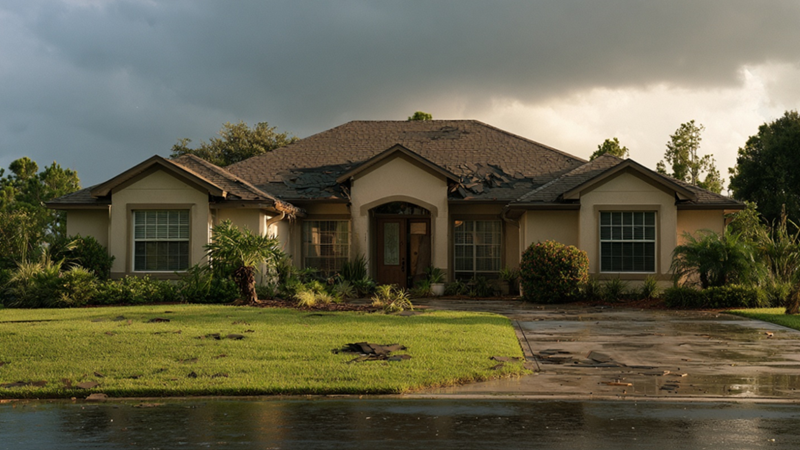
Severe weather can cause significant damage to residential roofs, even when the problems are not immediately visible. Strong winds, heavy rainfall, hail, and flying debris can loosen shingles, damage flashing, crack roofing materials, or create openings that allow water to enter the home. While some issues may appear minor from the ground, even a small weakness can lead to more extensive damage if it remains unaddressed.
Scheduling post-storm roof repair as soon as conditions are safe can help homeowners prevent additional deterioration and protect their property. Delaying repairs may allow moisture to spread into ceilings, insulation, walls, and structural components. Understanding the risks of waiting and recognizing the warning signs of roof damage can help homeowners take appropriate action before a manageable repair becomes a much larger project.
Understanding the Risks of Delaying Roof Repairs
Storm damage does not always produce obvious leaks or missing roofing materials. Wind can lift shingles without removing them completely, while hail may weaken roofing surfaces that appear intact. Heavy rain can also expose problems around vents, chimneys, skylights, and other roof openings.
Water Intrusion Can Spread Quickly
Once water penetrates the roofing system, it can travel along structural components before appearing as a ceiling stain or dripping water. By the time visible signs develop, moisture may already have affected insulation, drywall, or wooden framing.
Common warning signs include:
- Water stains on ceilings or upper walls.
- Missing, cracked, or curled shingles.
- Damaged flashing around roof penetrations.
- Granules accumulating in gutters after a storm.
- Sagging areas or unexplained moisture in the attic.
- Debris or roofing materials scattered around the property.
Homeowners should avoid climbing onto a damaged roof to investigate these problems. A professional inspection is a safer way to determine the extent of the damage.
Preventing More Expensive Structural Problems
Protecting the Roof Deck and Interior
Roofing materials help shield the underlying structure from rain and other environmental conditions. When that protective barrier becomes compromised, repeated moisture exposure can weaken roof decking and other building materials.
If water continues entering the home, repairs may eventually involve more than replacing shingles or sealing a damaged area. Wet insulation, deteriorated wood, damaged ceilings, and mold growth can increase the complexity and cost of restoration.
Prompt repairs help limit the opportunity for these problems to develop. Even if permanent repairs cannot be completed immediately, a qualified professional may recommend appropriate temporary protection to reduce further water intrusion.
Reducing the Risk of Mold Growth
Persistent moisture can create conditions that encourage mold growth, particularly in poorly ventilated spaces. Damp insulation, drywall, and wooden materials may remain wet long after the storm has passed.
Addressing leaks quickly and arranging proper drying can help reduce moisture-related concerns. If extensive water damage or suspected mold is present, qualified restoration professionals can assess the affected areas and recommend suitable remediation measures.
Supporting Insurance Claims and Documentation
After a storm, homeowners may need to document damage for an insurance claim. Taking photographs from safe locations, recording when the storm occurred, and keeping copies of inspection reports and repair estimates can help organize the process.
Review Your Policy and Contact Your Insurer
Insurance coverage varies depending on the policy, the cause of damage, exclusions, and other circumstances. Contact your insurer promptly to understand reporting deadlines and documentation requirements.
Homeowners should also keep receipts for reasonable emergency measures taken to protect the property. Avoid authorizing unnecessary permanent work before following any inspection requirements specified by the insurer, unless immediate action is needed to prevent further damage.
Choosing a Qualified Roofing Professional
After severe weather, reputable roofing contractors may experience high demand. Before hiring someone, verify their credentials, insurance, references, and written estimate.
A dependable contractor should explain the observed damage, recommended repairs, materials involved, and expected timeline. Be cautious of high-pressure sales tactics or demands for large upfront payments without a clear written agreement.
Conclusion
Delaying roof repairs after a storm can allow minor damage to develop into leaks, structural deterioration, and costly interior restoration. Early inspections, timely temporary protection, and appropriate permanent repairs help homeowners protect their property and reduce the risk of additional problems.
By recognizing warning signs, documenting damage, reviewing insurance requirements, and working with a qualified roofing professional, homeowners can respond more confidently after severe weather. Acting promptly once conditions are safe is an important step toward restoring the roof’s protective function and maintaining the home’s long-term condition.